Where anesthetics are obtained, stored, labeled, and controlled.
Clinical Safety Chain
The anesthetic chain
is part of surgery.
A surgeon's skill matters, but procedure safety also depends on anesthesia staffing, medication handling, sterile technique, equipment processing, and the facility's ability to respond when complications begin.
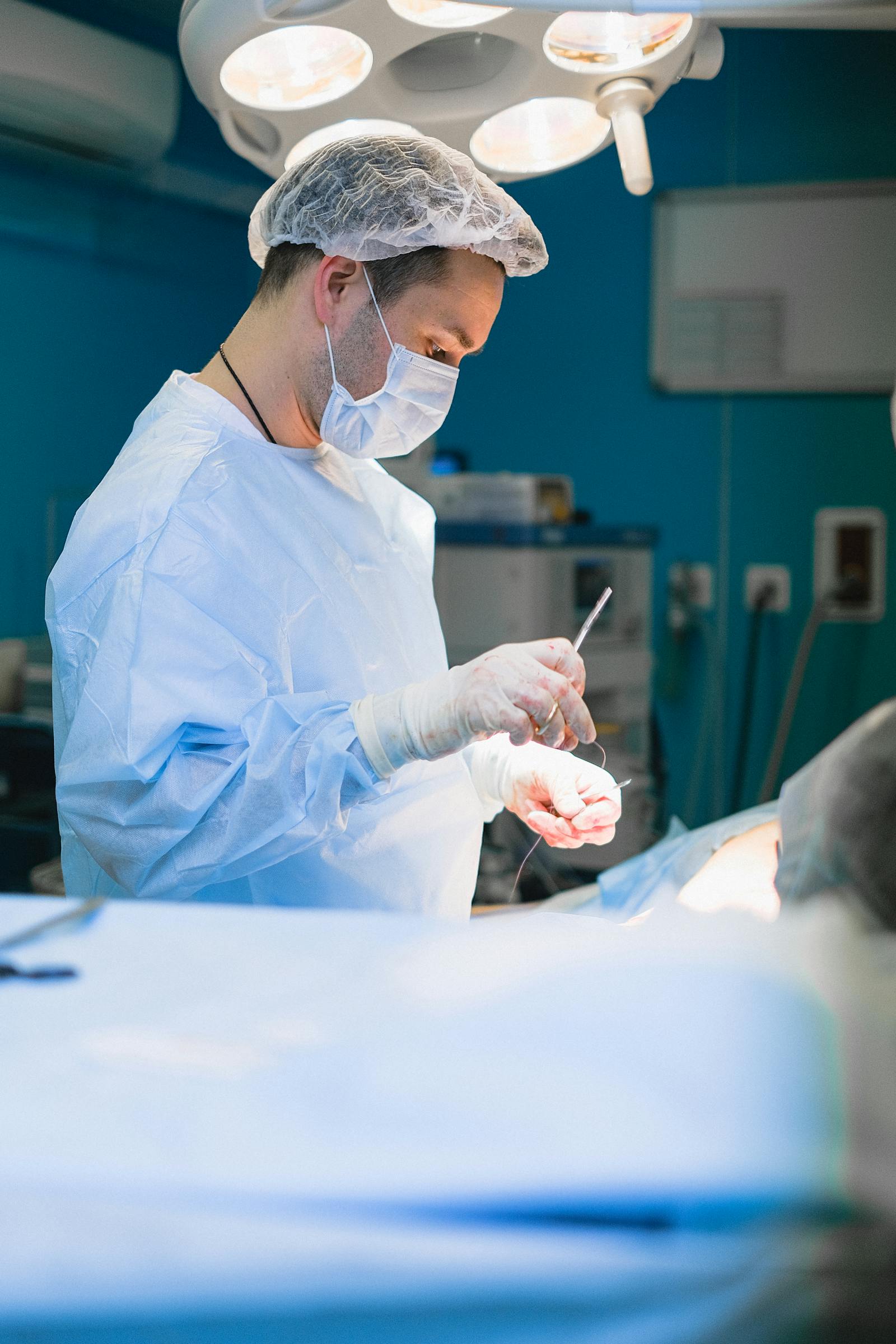
1,801Patients exposed to neuraxial blockade in the Durango investigation
80Meningitis cases in the Durango peer-reviewed report
24Matamoros fungal meningitis cases identified in the CID report
104Matamoros patients considered at risk after epidural anesthesia
What must be visible
Safety is a system,
not a promise.
The Matamoros and Durango outbreaks show why verification cannot stop at the surgeon's biography. Epidural or spinal anesthesia creates a direct route to the central nervous system when sterile systems fail.
Whether single-use and multi-use protocols are documented and enforced.
Who places neuraxial anesthesia and what credentials they hold.
How instruments, rooms, skin prep, and injection technique are audited.
How patients are observed during recovery and after discharge.
Whether the facility has a real pathway to higher-level care.

Verification standard
Document the room,
not just the result.
A verification file should ask for the OR, anesthesia provider, sterilization workflow, emergency equipment, post-op contact plan, and records that let a treating doctor understand what happened if the patient returns home with symptoms.
Public-health reports also show that patients often present later, in another country, where physicians need operative details that were never provided.
Anesthesia and infection lens
The risk chain extends
beyond the surgeon.
Anesthesia, medication sourcing, sterile handling, operating-room process, post-op infection response, and documentation all need review because complications often begin outside the headline procedure.
Claims need named evidence.
Credentials, licenses, facility authorization, outcomes, and patient statements carry more weight when tied to a document, registry, record, or accountable source.
Research must change the checklist.
Each warning should become a practical verification requirement, not just another article on the page.
The reader should know what to ask next.
The best evidence helps patients request records, confirm source claims, and pause when a clinic or broker cannot answer clearly.
Patient decision guide
Verify the full perioperative safety chain
Anesthesia and infection prevention depend on people, equipment, medicines, rooms, and repeatable processes. Ask for evidence about the system that will be in place on the procedure date—not a generic clinic capability statement.
Anesthesia responsibility
Identify the anesthesia professional, license, planned technique, pre-anesthesia assessment, monitoring standard, medication source, recovery staffing, and who can rescue an airway or transfer the patient.
Sterile workflow
Ask how instruments are cleaned, packaged, sterilized, logged, and released; how single-use items are controlled; and how the room, water, hands, implants, and injections are managed.
Complication traceability
Confirm that anesthesia notes, medication administration, implant details, sterilization or lot records, discharge criteria, and infection instructions can be included in the patient record.
Pause and resolve
Do not proceed on reassurance alone when:
- The anesthesia provider is unnamed until the procedure begins.
- Medication or injectable sourcing cannot be documented.
- Sterilization answers rely on appearance rather than process records.
- Emergency equipment or transfer arrangements are vague.
Patients do not need to audit an operating room themselves. They do need enough named, current evidence to know which licensed professionals and authorized facility are responsible for the safety chain.
Sources
Safety source
record.
This page centers public-health and peer-reviewed outbreak data. It does not claim that every international clinic has these failures.
- Open Forum Infectious Diseases: Durango Fusarium outbreak
- Associated Press: Durango investigation allegations
- CDC HAN: Matamoros suspected fungal meningitis
- WHO Disease Outbreak News: Matamoros fungal meningitis
- Clinical Infectious Diseases: Matamoros outbreak report
- CDC Yellow Book: medical tourism infection risks
Related evidence: see how resistant infections after surgery abroad change the verification checklist.
Editorial record: Published by Verified Surgeons. Sources are listed on this page. Updated 25 July 2026. A page is not medically reviewed unless a qualified reviewer is named on that page.
Editorial record: Prepared by the Verified Surgeons research team. Technical, accessibility, and content review completed 31 July 2026. The stated scope, applicable sources, and limits remain visible on the page. A page is not medically reviewed unless a qualified reviewer is named on that page.