The brand, diameter, length, connection, torque, and placement record matter if a dentist at home must service the case.
Procedure Brief
Dental tourism is
long-term medicine.
Dental travel is common because costs are visible and recovery seems simple. Implant and full-mouth work still depend on imaging, surgical judgment, material traceability, occlusion, hygiene, and long-term repair access.
#1CDC describes dental care as the most common form of medical tourism among U.S. residents
95%BDA survey: dentists reported seeing patients who had travelled abroad for dental treatment
2Treatments BDA flagged often needing follow-up: crowns and implants
1Complete record set needed for future repair
Clinical pattern
Teeth are not
a travel souvenir.
Dental tourism can be excellent when records, planning, and materials are clear. The risk rises when a patient receives irreversible preparation, extractions, implants, or full-arch prosthetics without a traceable plan.
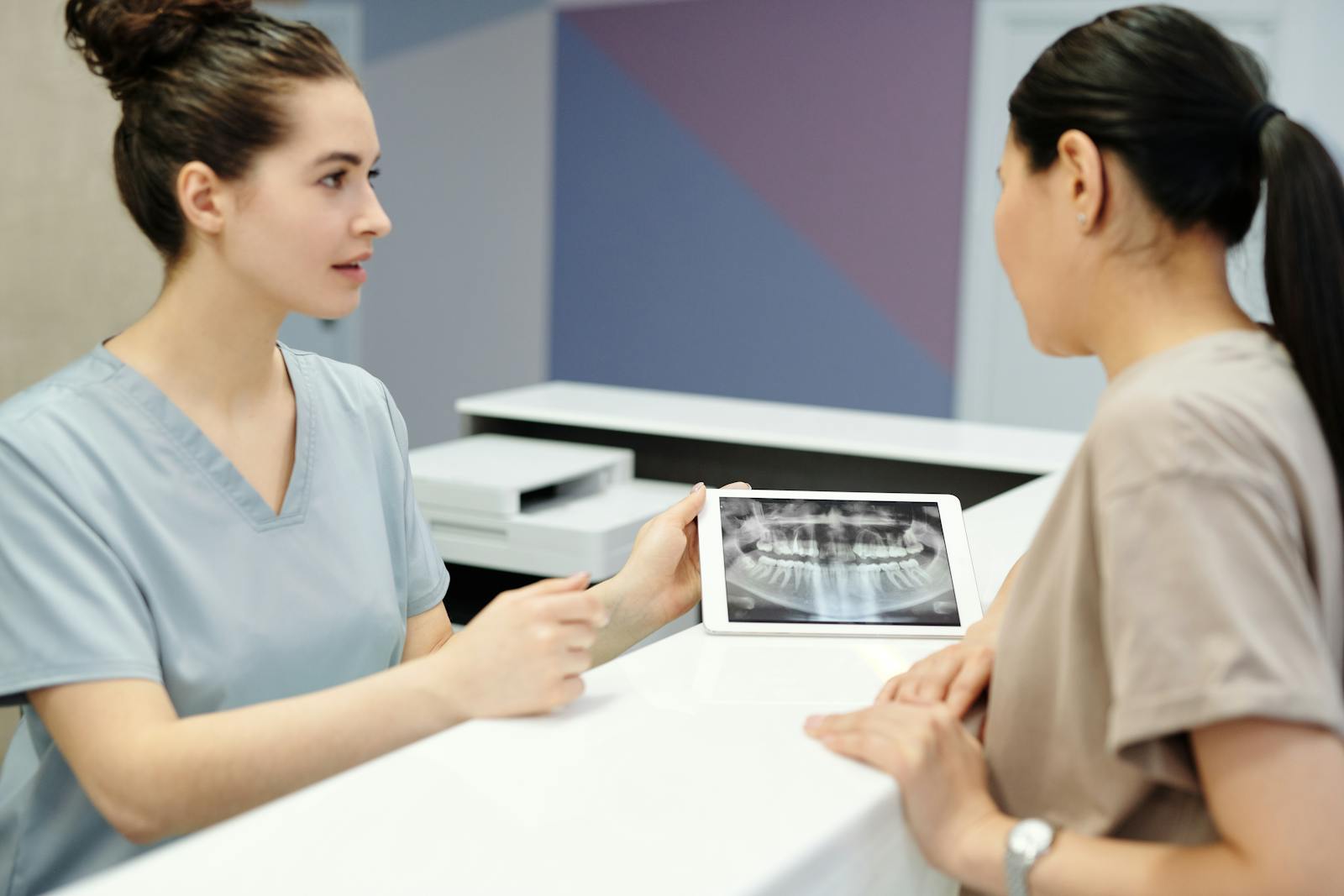
CBCT, panoramic imaging, bite records, and prosthetic design should be available to the patient, not locked inside clinic software.
Temporary teeth, zirconia finals, healing time, and failure-management policies must be explained before travel.
Guarantees often require return travel. A realistic plan explains what can be repaired locally and what cannot.

Verification standard
Make the mouth
serviceable later.
The best dental-tourism verification protects future care. It documents the treating dentist, surgical training, implant system, laboratory, materials, x-rays, occlusal plan, and what records a patient can hand to another dentist years later.
- Confirm the dentist and surgical scope.
- Confirm implant and prosthetic materials.
- Confirm sterilization and lab process.
- Confirm records are released after treatment.
Dental tourism lens
Make the treatment
serviceable later.
Dental verification protects future care by documenting implant systems, imaging, materials, lab process, sterilization, surgical scope, and the records a patient can hand to another dentist years later.
Claims need named evidence.
Credentials, licenses, facility authorization, outcomes, and patient statements carry more weight when tied to a document, registry, record, or accountable source.
Research must change the checklist.
Each warning should become a practical verification requirement, not just another article on the page.
The reader should know what to ask next.
The best evidence helps patients request records, confirm source claims, and pause when a clinic or broker cannot answer clearly.
Patient decision guide
Make dental treatment maintainable after travel
Implants, crowns, bridges, grafts, and full-arch work require diagnosis, material traceability, precise records, hygiene, and long-term service. Evaluate how the treatment will be identified and maintained after the trip.
Diagnosis and sequencing
Request the examination, periodontal findings, imaging, alternatives, tooth-by-tooth plan, extraction and graft rationale, healing stages, provisional phase, bite management, candidacy limits, and reasons to pause.
Clinician and materials
Verify dental identity and relevant training, the clinic and sterilization process, implant or restorative system, manufacturer, components, lot details, laboratory, warranties, and access to compatible parts at home.
Records and maintenance
Obtain diagnostic and final images, charting, implant positions and torque where applicable, material and shade details, laboratory prescription, occlusion notes, hygiene schedule, warning signs, and repair contacts.
Pause and resolve
Do not proceed on reassurance alone when:
- The final treatment plan is determined only after non-refundable travel.
- Implant or restoration brands and components are withheld.
- Same-day speed is promoted without candidacy limits.
- No home maintenance or complication route is defined.
The best-value treatment is one another qualified dentist can understand and service. Compare the complete care pathway, not only the visible restoration or headline price.
Sources
Dental tourism
source record.
Sources are listed so the page functions as a report, not an opinion piece. Media anecdotes are avoided unless supported by official or peer-reviewed records.
- CDC Yellow Book: dental tourism and licensure oversight
- CDC Travelers' Health: medical tourism procedure categories
- British Dental Association: patients need to know dental tourism risks
- Oral Health Foundation: going abroad for dental treatment risks
- American Dental Association: releasing dental records
Editorial record: Published by Verified Surgeons. Sources are listed on this page. Updated 25 July 2026. A page is not medically reviewed unless a qualified reviewer is named on that page.
Editorial record: Prepared by the Verified Surgeons research team. Technical, accessibility, and content review completed 31 July 2026. The stated scope, applicable sources, and limits remain visible on the page. A page is not medically reviewed unless a qualified reviewer is named on that page.