Gluteal fat grafting has drawn repeated safety advisories because pulmonary fat embolism can be rapidly fatal when fat enters dangerous planes.
Procedure Brief
Cosmetic tourism is
not simple surgery.
Cosmetic procedures are often sold as lifestyle upgrades, but the clinical record includes embolic deaths, infection clusters, revision costs, and travel-timing risks that require strict verification.

93U.S. citizen deaths after cosmetic surgery in the Dominican Republic, 2009-2022
7British nationals GOV.UK reports died in Turkey in 2025 after medical procedures
1/3000Approximate BBL mortality cited in multisociety safety discussions
50.9%Infectious complications in one U.S.-treated aesthetic tourism review
Clinical pattern
The risk lives
inside the technique.
Verification must identify the actual procedure, not only the marketing name. A Brazilian butt lift, abdominoplasty, liposuction, rhinoplasty, and breast procedure do not share the same anatomy, anesthesia exposure, recovery window, or emergency pathway.
Large surface areas, drains, compression garments, and travel soon after surgery make wound care and clot-risk planning central.
Combining procedures can extend anesthesia time and recovery burden. A premium surgeon should explain why a plan is medically reasonable.
Unsatisfactory results and infections can compound the initial price. The patient needs to know who evaluates complications after return.
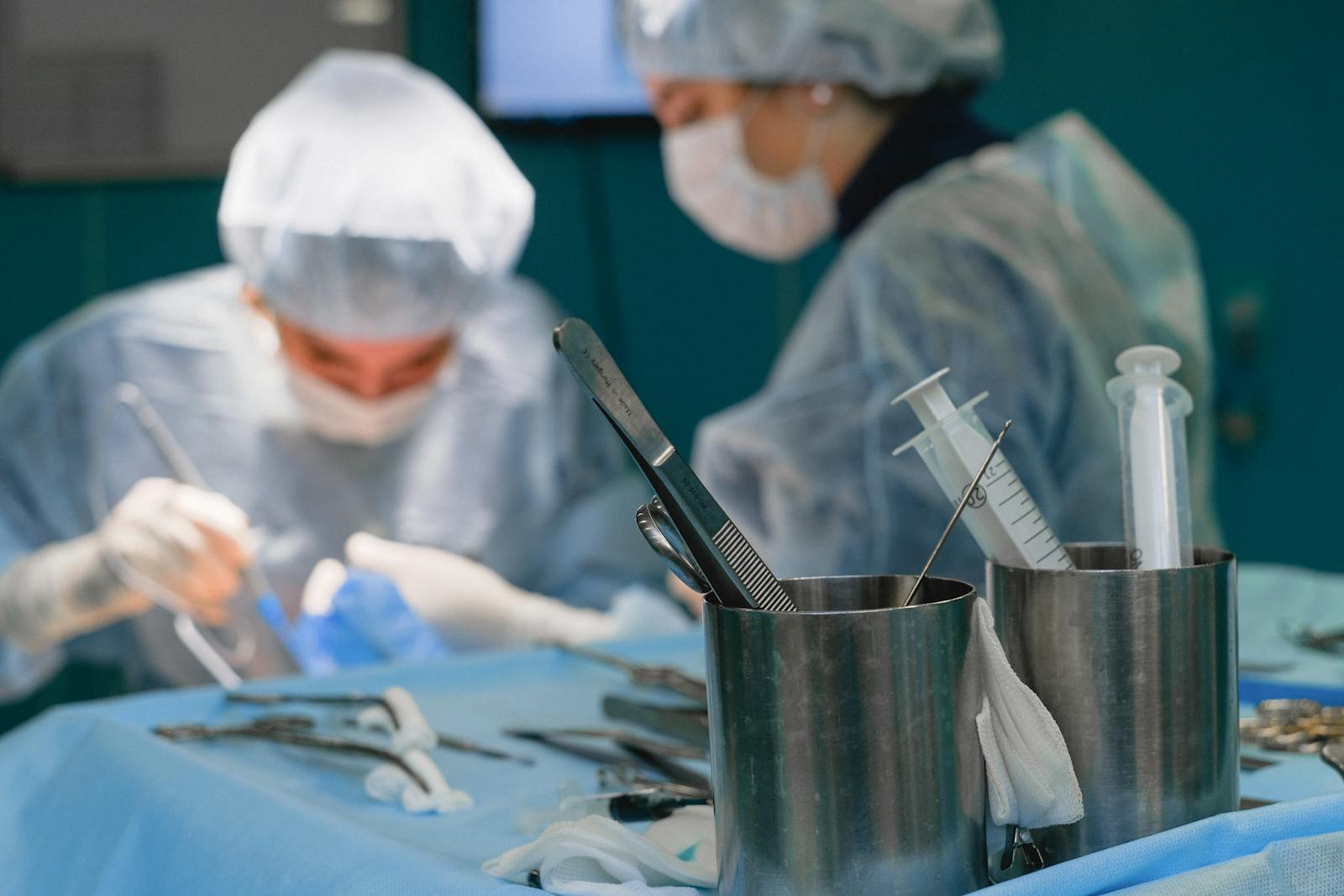
Verification standard
Do not verify
the gallery only.
Before-and-after images can support a profile, but they are not a safety file. Cosmetic tourism verification should connect specialty training, operative facility, anesthesia provider, technique limits, revision policy, and records for home-country follow-up.
- Confirm plastic or relevant surgical specialty authority.
- Confirm procedure volume without rewarding unsafe speed.
- Confirm anesthesia and emergency capacity.
- Confirm post-op timing before return flight.
Cosmetic surgery lens
Verify the operating
context first.
Cosmetic-surgery tourism risk often hides behind transformations, pricing, and social proof. Verification has to name the surgeon, anesthesia plan, facility, complication readiness, and aftercare obligations.
Claims need named evidence.
Credentials, licenses, facility authorization, outcomes, and patient statements carry more weight when tied to a document, registry, record, or accountable source.
Research must change the checklist.
Each warning should become a practical verification requirement, not just another article on the page.
The reader should know what to ask next.
The best evidence helps patients request records, confirm source claims, and pause when a clinic or broker cannot answer clearly.
Patient decision guide
Verify procedure-specific risk before comparing galleries
Cosmetic procedures vary widely in anesthesia, blood loss, clot risk, technique, recovery, and emergency needs. Confirm the exact operation and setting before using photos, package labels, or destination reputation to compare offers.
Procedure definition
Get the planned technique, number and combination of procedures, operating time, incision or graft sites, anesthesia plan, candidacy limits, alternatives, and who may alter the plan.
Qualified team and site
Match specialty credentials and relevant experience to the procedure; verify the facility, anesthesia professional, recovery monitoring, emergency transfer, blood access, sterile process, and postoperative staffing.
Recovery constraints
Plan observation, compression or wound care, drain management, clot prevention, mobility, fit-to-fly timing, accommodation changes, urgent evaluation, records, and home follow-up.
Pause and resolve
Do not proceed on reassurance alone when:
- Multiple procedures are added to preserve a package price.
- The operating facility is undisclosed or changeable.
- Before-and-after images substitute for candidacy discussion.
- The itinerary requires travel before clinical clearance.
Aesthetic goals do not reduce medical risk. A good decision record shows why the patient and procedure are appropriate, who owns each safety step, and what happens when recovery is not routine.
Sources
Cosmetic tourism
source record.
Sources are listed so the page functions as a report, not an opinion piece. Media anecdotes are avoided unless supported by official or peer-reviewed records.
Editorial record: Published by Verified Surgeons. Sources are listed on this page. Updated 25 July 2026. A page is not medically reviewed unless a qualified reviewer is named on that page.
Editorial record: Prepared by the Verified Surgeons research team. Technical, accessibility, and content review completed 31 July 2026. The stated scope, applicable sources, and limits remain visible on the page. A page is not medically reviewed unless a qualified reviewer is named on that page.