Load is designed, not guessed
The framework adds a fifth implant to reduce distal cantilever demand and distribute bite force across the arch instead of concentrating stress at the terminal implants.
Harvard-trained implant and advanced cosmetic oral reconstruction specialist focused on complex full-arch restoration, surgical planning, and durable prosthetic outcomes.
Dr. Jose Jimenez completed the full Verified Surgeons review process and passed each required verification stage.
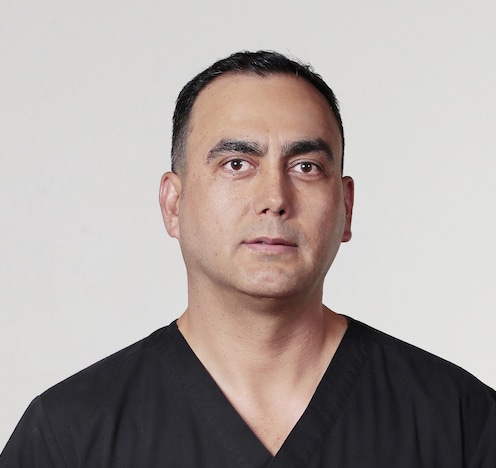
Dr. Jose Jimenez is identified as co-creator of All-on-Five and senior surgical lead for the clinical sequence that moves from diagnosis to full-arch restoration.
All-on-Five treatment frameworkThe framework adds a fifth implant to reduce distal cantilever demand and distribute bite force across the arch instead of concentrating stress at the terminal implants.
CBCT review, bone-density mapping, sinus and nerve limits, grafting needs, implant angulation, and primary stability are treated as one planning problem before provisional teeth are loaded.
A milled titanium bar links the implants into a shared support structure; speech, hygiene access, occlusion, material choice, and future replaceability are part of the same design discussion.
Verified fields include identity evidence, training source, A.O.R.I role, Los Algodones clinic address, clinic media, patient testimony, and stated limits.
Unsupported reputation claims are excluded. Visible evidence is limited to identity, credentials, clinic context, treatment scope, and patient testimony.
Name, role, institute relationship, and Los Algodones practice context are matched to the clinician providing care.
Credential review focuses on implant planning, restorative design, oral reconstruction scope, and implant-system familiarity.
Institute, address, treatment setting, and public clinic context are documented so the care environment stays visible.
Patient evidence is grouped by comfort, communication, follow-up, and satisfaction with the final restoration.
Issued by the Dirección General de Profesiones (SEP), Government of Mexico. Anyone can confirm this number on the official federal registry — the verification is free.
Verify at the SEP registry →On the registry, open the “Número de cédula” tab and enter 2281607.
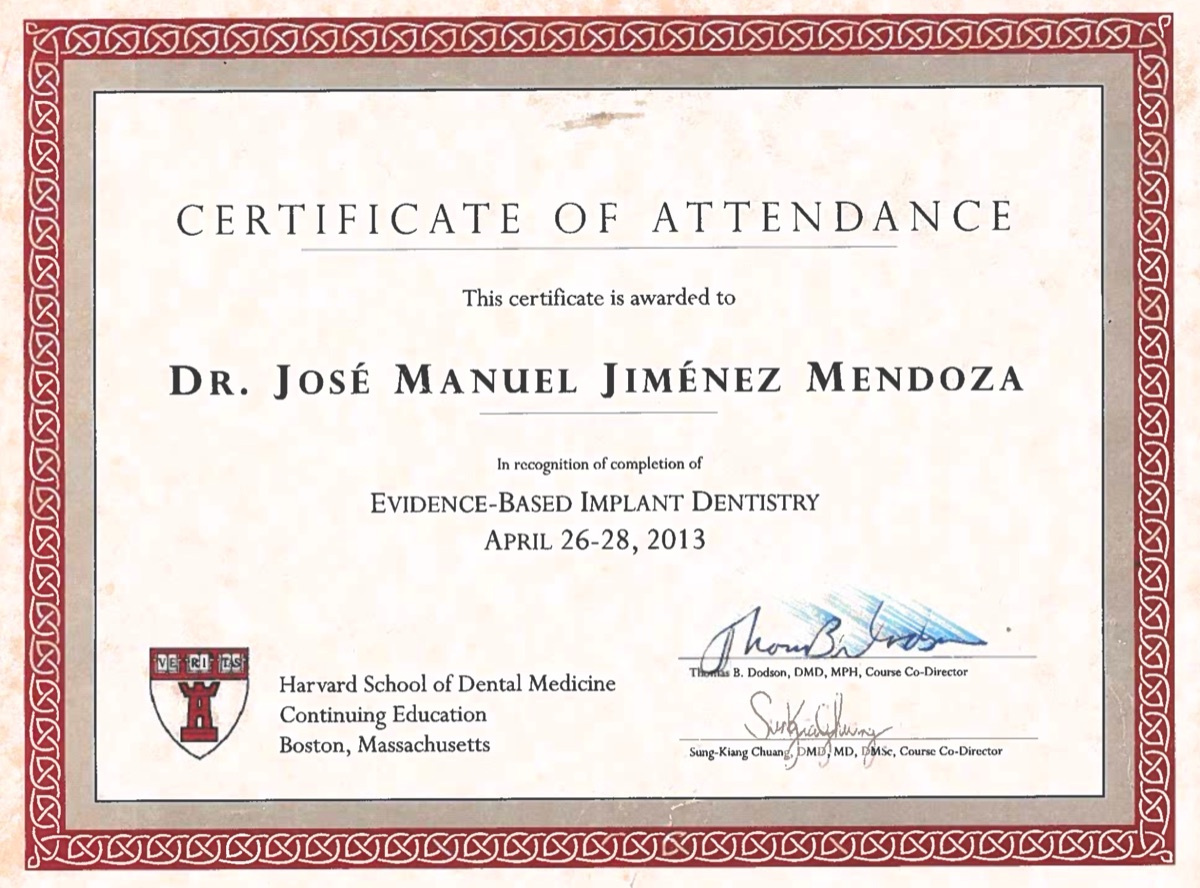
Verification checks used: passport and national ID references, GPS address matching, colleague interviews, and certification source review.
Identity was checked against government identity evidence, including passport and national ID references, then matched to the professional profile used in patient-facing records.
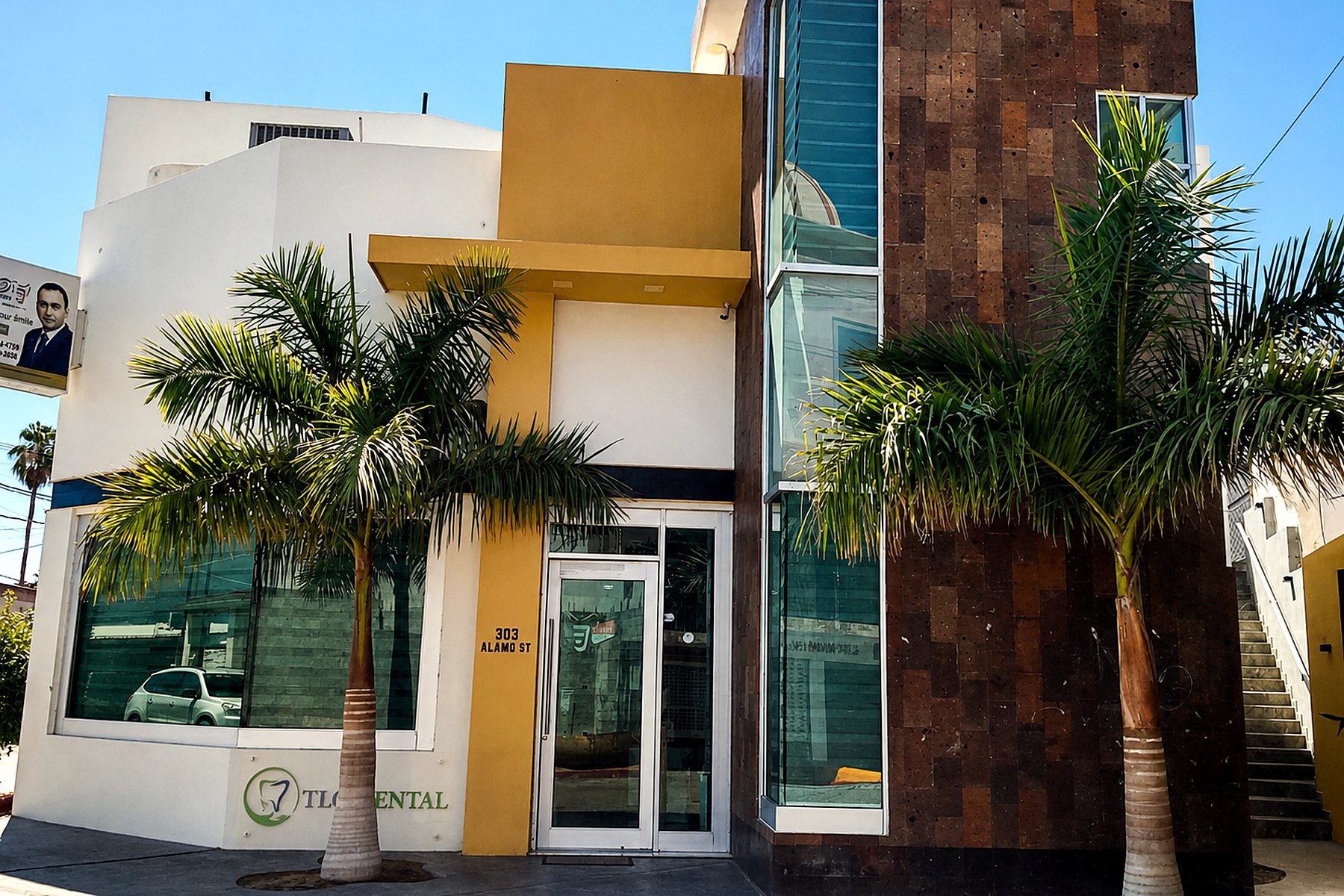
The clinic location was checked against GPS coordinates and the Google Maps record for the Alamo Street address in Los Algodones, B.C., Mexico.
Professional experience and job trajectory were corroborated through colleague interviews and comparison against the public history attached to Dr. Jimenez.
Training and certification claims were reviewed by contacting the respective institutions or checking the source context behind each named credential.
Source confirmation does not predict healing, bite comfort, implant integration, material wear, hygiene compliance, or final cosmetic outcome.
Full-arch evidence is reviewed in four decisions: CBCT and medical screening, implant distribution, prosthetic design, and follow-up documentation.
CBCT review, medical history, bone volume, infection status, and patient goals determine whether full-arch treatment is appropriate.
Implant position, angulation, span, and bite load shape the stability of the restoration under daily function.
Facial support, speech, hygiene access, occlusion, and material choice define whether the final prosthesis works beyond the photograph.
Patient testimony and clinic records matter most when they clarify comfort, communication, treatment sequence, and maintenance.
Implant dentistry, All-on-Five planning, advanced cosmetic restoration, and full-arch oral reconstruction
Dr. Jose Jimenez has practiced dentistry for more than twenty-five years, first in Salinas, California, and now in Los Algodones, where his work centers on dental implants in Mexico, advanced cosmetic oral reconstruction, and restorative rehabilitation.
His public record is strongest when read as an evidence chain: long clinical experience, implant training, verified clinic context, and patient records separated from marketing claims.
Before a full-arch commitment, patients should see the CBCT plan, implant positions, material choice, bite plan, healing timeline, and follow-up path.
Training sources tied to implant planning: Harvard implant dentistry, UABC oral implantology, DDS foundation, and Nobel Biocare and Straumann systems.
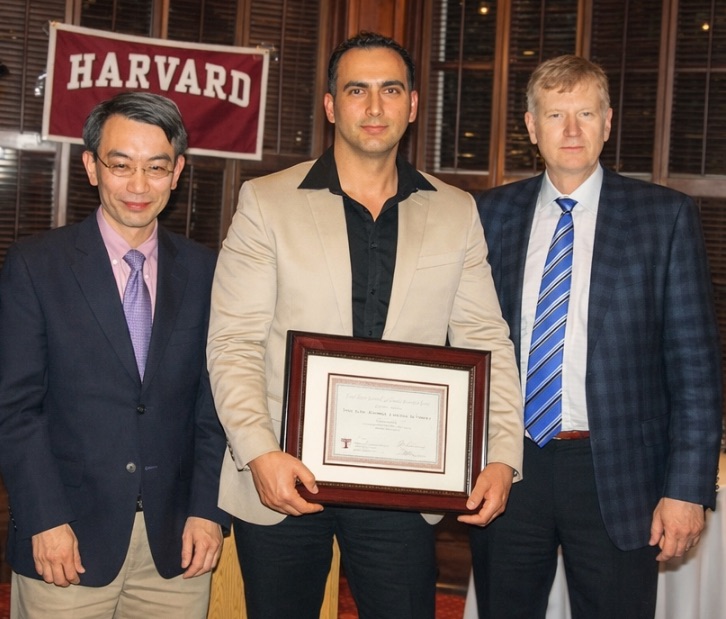
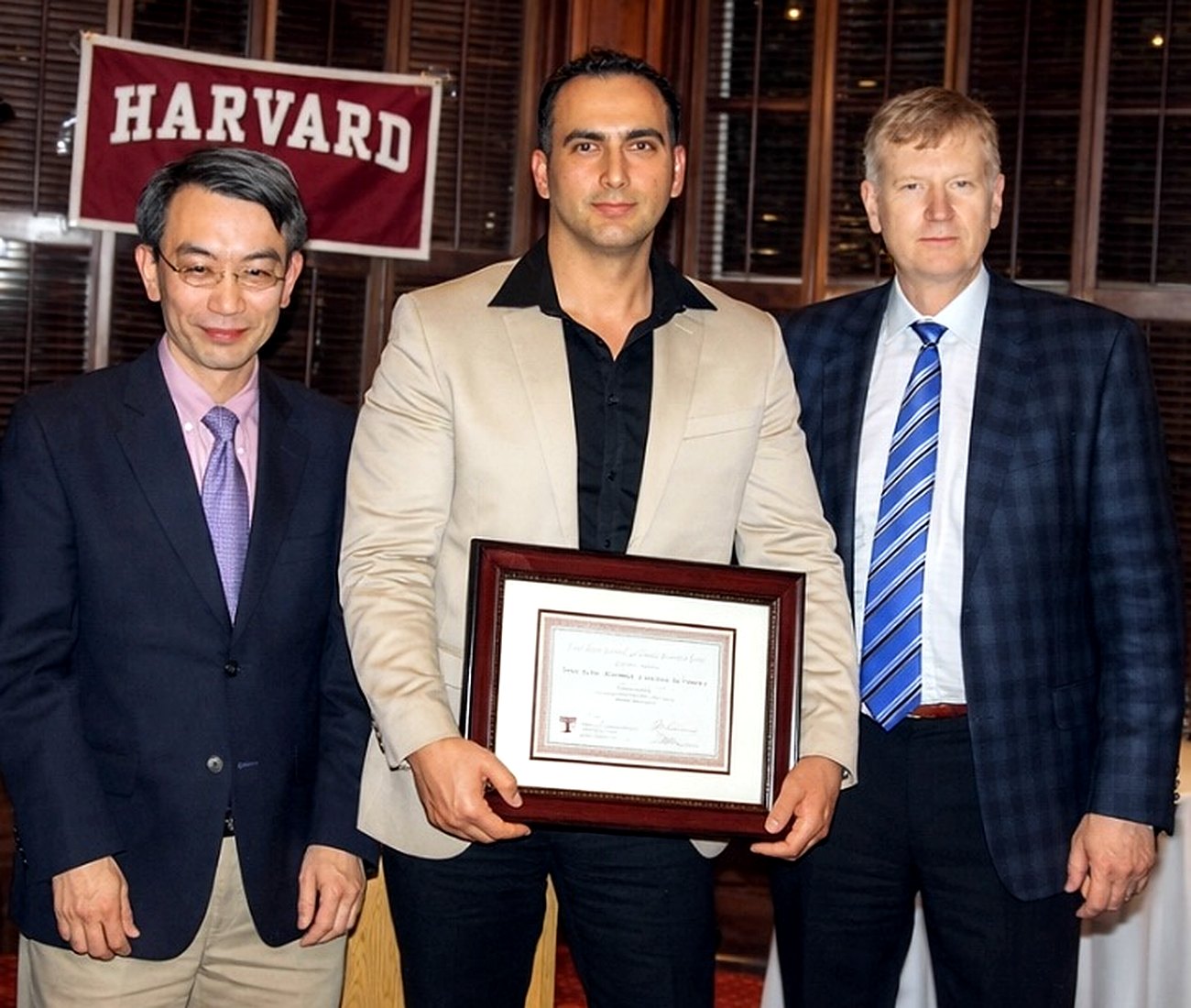
Harvard School of Dental Medicine, Boston. Dr. Jose Jimenez at the credentialing ceremony for the Evidence-Based Implant Dentistry program.
Harvard Evidence-Based Implant Dentistry training tied to implant diagnosis, planning, and case selection.
Formal certification in oral implantology and implant-supported restoration.
Doctor of Dental Surgery foundation supporting general diagnosis, restorative planning, cosmetic dentistry, and implant case coordination.
Manufacturer certification for two established implant systems used in restorative care.
Full-arch planning depends on anatomy, biomechanics, prosthetic design, tissue response, hygiene access, and follow-up stability.
CBCT findings, bone volume, infection status, sinus and nerve anatomy, soft tissue, and medical risk determine whether full-arch implant treatment is appropriate.
Implant distribution, angulation, prosthetic span, material choice, and bite load shape how a full-arch restoration functions under daily use.
The final result is judged by bite comfort, speech, hygiene access, screw access, tissue response, and follow-up stability, not by the photograph alone.
No outcome guarantee Implant and restoration outcomes remain patient-specific and depend on biology, diagnosis, healing, hygiene, and follow-up care.
No remote diagnosis A page cannot replace CBCT review, medical-history review, examination, or a patient-specific treatment plan.
Source separation Confirmed records, patient testimony, clinic media, and professional claims stay separated as distinct evidence types.
"Dr. Jimenez is very professional, attentive, and masterful at his craft. His work was praised by my dentist in Texas, above his expectations, and painless to me."
"I have been terrified of dentists my whole life. From day one, Dr. Jimenez showed a genuine interest in my treatment and gave me a virtual consultation to answer my questions."
"The staff was great — very welcoming and friendly. He made me feel right at home, as if I were a friend."
"It's been ten months since Dr. Jimenez loaded my final permanent set of zirconia bridges. I am very pleased by everything he and his staff did."
Dr. Jose Jimenez is identified as a senior partner and leading implants and cosmetic restoration dental surgeon at A.O.R.I Advanced Oral Reconstruction Institute.
Clinic evidence includes exterior entry, reception path, operatory, planning room, clinical suite, and Harvard credential context.
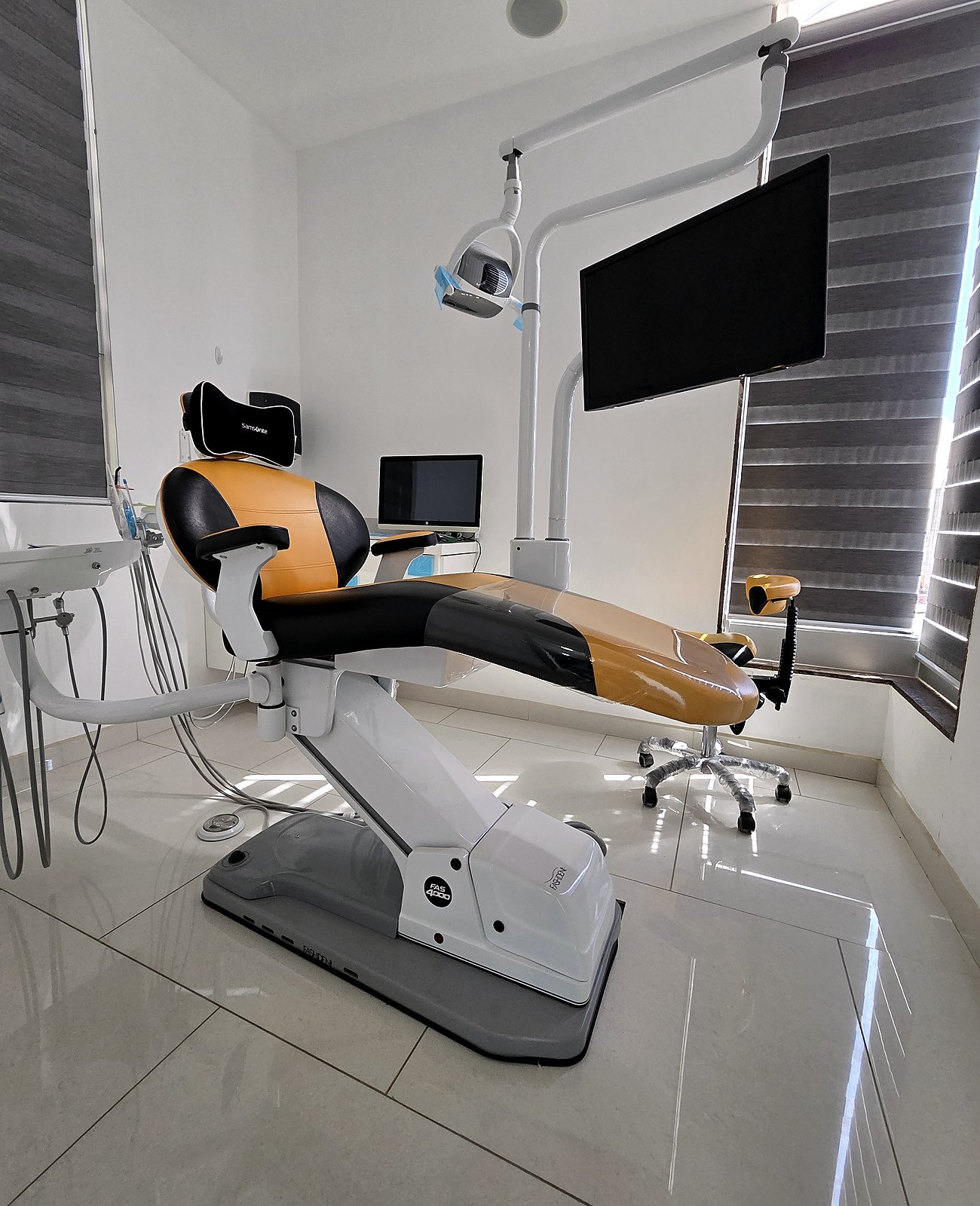
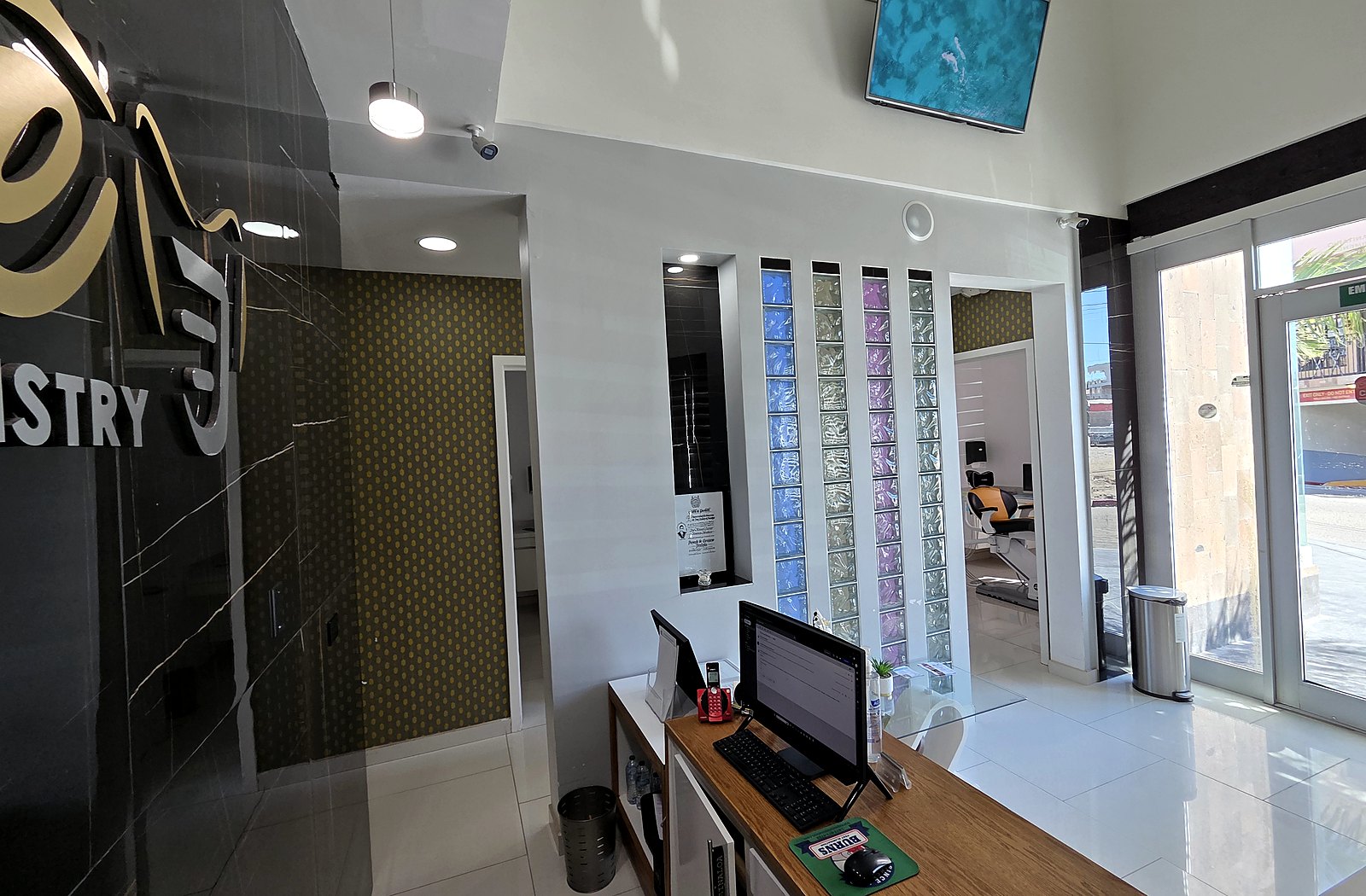
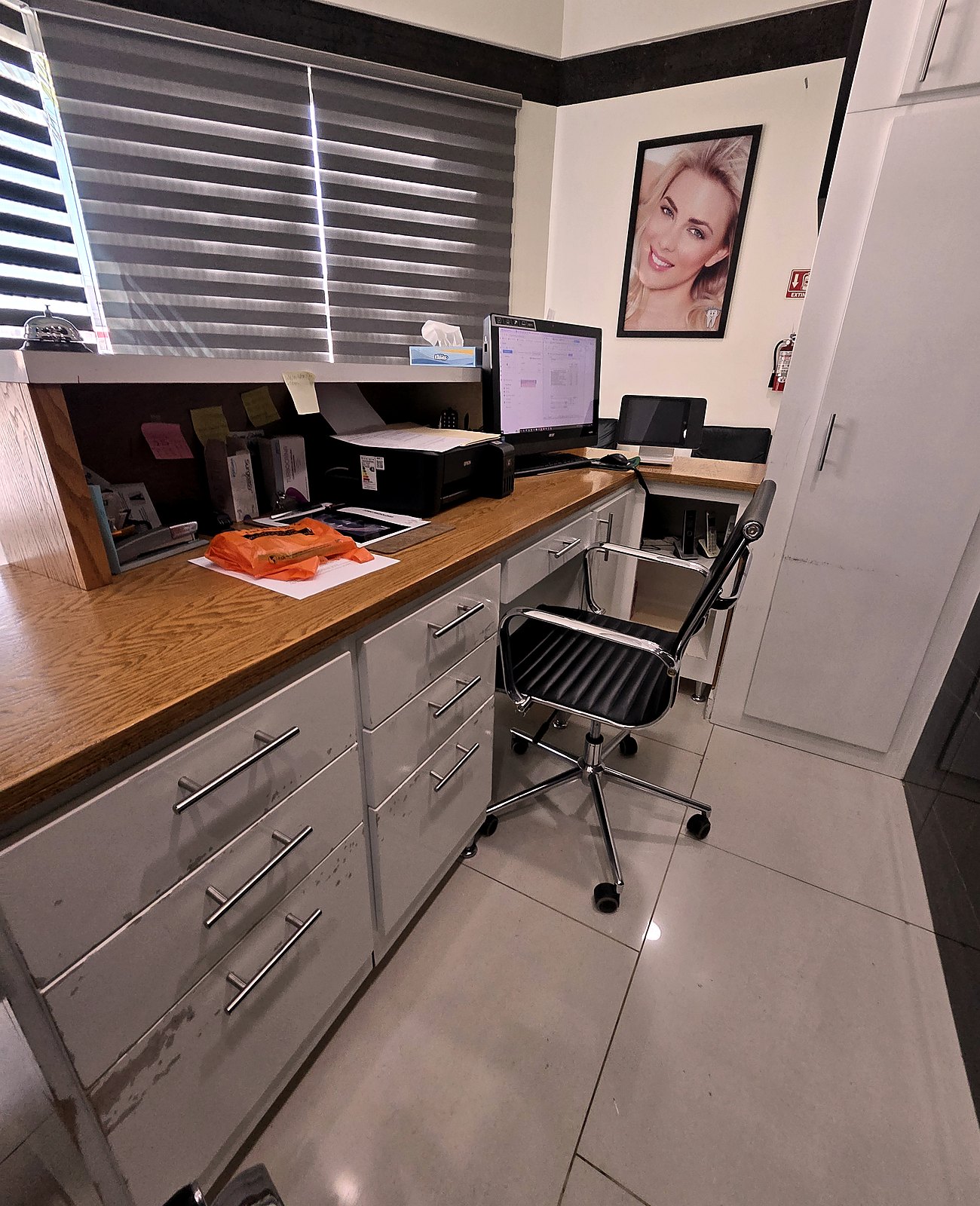
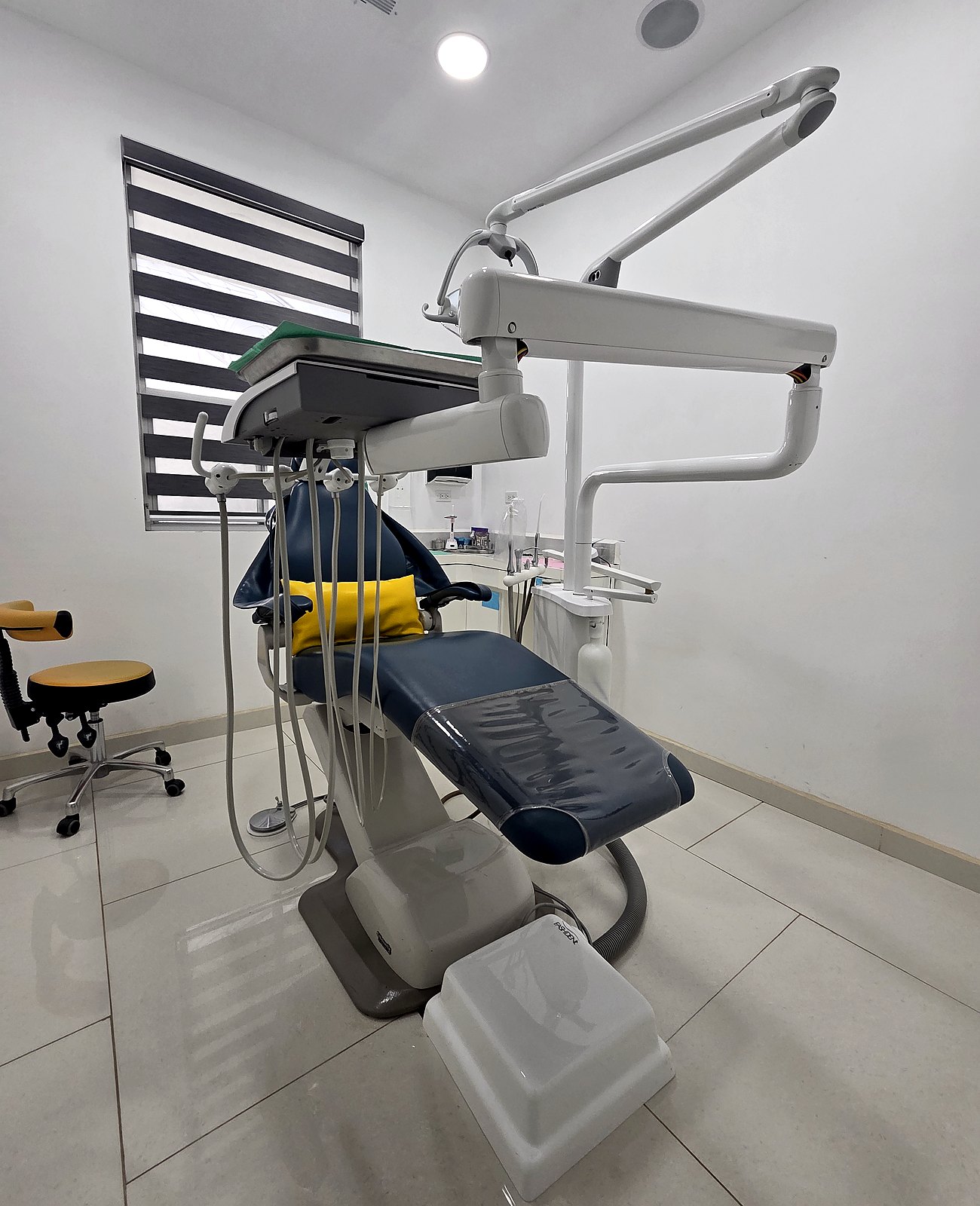
Included videos document consultation and CBCT planning, All-on-Five PMMA teeth with titanium bar reinforcement, and instrument sterilization from used tray to sealed pouch.
Shows patient intake, CBCT imaging, treatment planning, and case presentation before care begins.
Shows the All-on-Five material stack: PMMA teeth, titanium bar support, and full-arch prosthetic structure.
Shows instrument handling from used clinical trays through sterilization and sealed sterile packaging.
Public records connect Dr. Jimenez to Salinas restorative dentistry, Los Algodones implant and cosmetic work, and a senior-doctor public listing.
Dental Del Rio and Clinictor list earlier Salinas, California clinic experience before the Los Algodones implant record.
Dental Del Rio and Clinictor list cosmetic dentistry and implantology work at Sani Dental Group; Sani Dental also names him in crown treatment.
Dental Del Rio publishes Dr. Jose Manuel Jimenez Mendoza as Senior Doctor; this remains affiliation evidence unless directly reconfirmed.
Email the clinic to ask which records are needed before consultation, including recent X-rays, CBCT scans when available, medical history, medication list, prior implant records, or photographs of the current bite and smile.
Dr. Jose Jimenez's profile is structured as a completed verification record: identity, training, clinic context, patient evidence, and stated limits are meant to be reviewed together, not as isolated claims.
The profile should show which credentials, clinic details, patient materials, and verification steps support the public status.
A verified profile is strongest when it connects the surgeon to the clinic, treatment scope, equipment, and records patients may later need.
Patients should use the profile to understand what is documented, what remains limited, and what to ask before proceeding.
Editorial record: Prepared by the Verified Surgeons research team. Technical, accessibility, and content review completed 31 July 2026. The stated scope, applicable sources, and limits remain visible on the page. A page is not medically reviewed unless a qualified reviewer is named on that page.